Buying a Home in Simi Valley? Here’s What to Expect From the Home Inspection Report
So you’re considering buying a home in Simi Valley. You’ve looked at several homes and studied the market, but you’re still not sure what kind of problems might turn up once the inspection report lands in your inbox. As a 30-year Simi Valley resident who has inspected hundreds of homes in this area, I can tell you: with the right guidance, your Simi Valley home can absolutely be your next big success.
Many Simi Valley homes were built between the 1960s and the 1980s, with some new development still continuing today. Most of these homes are sturdy, but there are a few things every buyer should understand before writing an offer.
The Typical Simi Valley Home: Age & Construction
Simi Valley saw most of its residential growth from the early 1960s through the 1980s, when large tract developments filled the valley with sturdy homes for average families. Common construction from this era included standard wood-framed single- and multi-story homes with stucco exteriors. A slab-on-grade foundation was the norm, which eliminated the crawlspaces that often become a source of moisture and pest problems in older homes. Roofs are commonly covered in asphalt shingles or concrete tile, with higher-end homes using terra cotta clay tile.
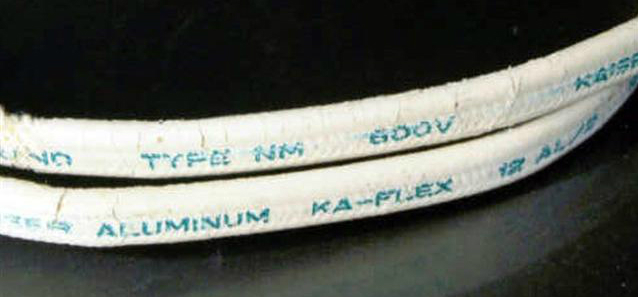
Unfortunately, homes that haven’t been upgraded do carry a few risks. From the late 1960s through the early 1970s, homes were commonly wired using aluminum instead of copper, and that aluminum wiring is still present in many homes in the valley today. An additional concern tied to the electrical system is the Zinsco electrical panel — thousands were installed during this era, and some are still in operation.
Foundation Type: Slab-On-Grade
The overwhelming majority of homes in Simi Valley sit on a slab-on-grade concrete foundation. This simply means concrete is poured directly on a prepared base — no basement, no crawlspace. This foundation type was cost-effective during the valley’s boom years and is still in use today.
The unknown factor with this type of foundation lies in what may be hidden inside or beneath it. Since the foundation sits directly on the ground, there’s no way to inspect the plumbing, electrical, or concrete that lies underneath it. What this means is that a leak isn’t something you can just go look at with a flashlight. It has to be traced under the concrete, and repairs can get costly fast.
The good news is that slab foundations are generally stable, strong, and low-maintenance. Many of these slabs have already survived the 1994 Northridge earthquake — a good sign of their durability, though I still check every one for movement.
Just like in flying, little problems in a home can turn into big ones. A hairline crack today is worth documenting now, so you’re not chasing a bigger structural issue five years down the road.
Common Electrical Deficiencies I See in Simi Valley Homes
As a licensed electrician, this is the section I’m most critical of during an inspection — because two specific concerns come up again and again from homes of this era.
Aluminum Branch Wiring
Homes built from about 1965 through 1973 often used aluminum wiring for the branch circuits that power the outlets and lights throughout the house. Builders used aluminum because it was cheaper at the time than the industry-standard copper wiring. The problem lies in how aluminum connects to devices — plugs, switches, and outlets. Aluminum expands and contracts more than copper does with heat cycles, which gradually loosens those connections. Loose connections generate heat, and heat at a connection point is how electrical fires start.
This shouldn’t be an automatic dealbreaker. Many homes in Simi Valley have already had their wiring replaced or their aluminum connections mitigated with approved connectors. It’s something I’ll flag on the report and walk you through the best course of action, every time.
Zinsco (Sylvania-Zinsco) Electrical Panels
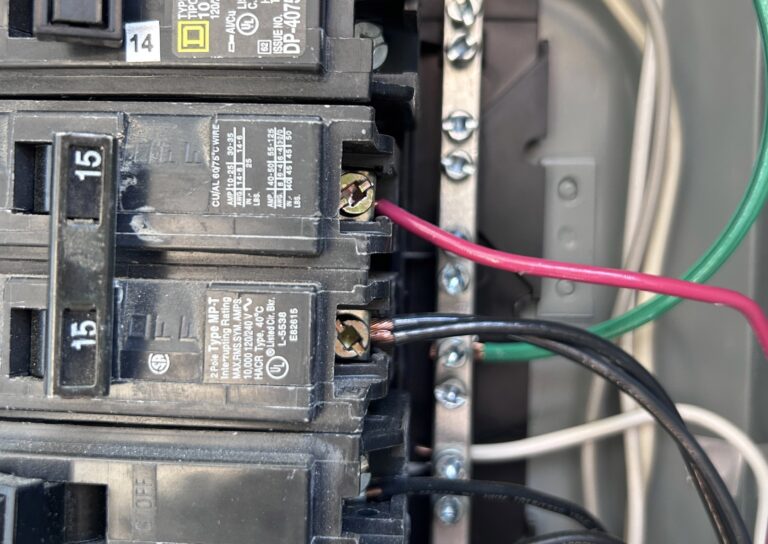
The other electrical red flag I see during inspections in Simi Valley is the Zinsco panel. Millions of these were installed throughout North America before their dangers were understood and panels started being phased out. The problem lies in the breaker attachment — the metals used allowed the circuit breaker connection to loosen over time and begin arcing or sparking. Over time, this can lead to breakers fusing directly to the internal parts of the panel, meaning they no longer trip when they’re supposed to.
The good news is that many of these panels have already been replaced. I don’t see nearly as many as I used to, and replacement cost is often lower than other major repairs a home might need. If the house you’re looking at still has a Zinsco panel, I’ll walk you through the best options.
What to Do About It
None of these findings should mean you walk away from a home in Simi Valley. They’re common enough that many houses in the valley still have one or more of them. The key is knowing about the risks and costs going in.
- Slab foundation concerns: If I find anything suggesting a cracked or leaking slab, I’ll flag it on the report and may recommend a structural engineer to determine whether the cracking goes beyond typical cosmetic settling.
- Aluminum wiring: If aluminum wiring is present, I’ll recommend an evaluation by a qualified electrical contractor. That gives you a repair-or-replace plan along with real pricing, so you know what’s negotiable in the sale.
- Zinsco panel: Budget for replacement. This is a standard, well-understood job for a licensed electrical contractor and one of the more straightforward safety upgrades you can make.
In my experience inspecting homes across Simi Valley and Thousand Oaks, buyers who know about these issues going in are able to negotiate repairs or credits at closing, rather than getting surprised by them later. That’s the whole point of the inspection — not to scare you off, but to make sure you’re making the decision with full information.