
The Buyer’s Survival Kit: Questions to Ask Your Home Inspector Before, During, and After
Most buyers walk away from their inspection with a 50-page report — and a lot of unanswered questions. The report tells you what was found. But the conversation you have with your inspector on-site is what tells you what it actually means for your decision. Here are the questions that separate informed buyers from nervous ones.
I love it when buyers show up to their inspection ready to engage. In my experience walking through homes across Moorpark, Thousand Oaks, Simi Valley, and the rest of Ventura County, the buyers who get the most value from their inspection aren’t the ones who stand back and wait for the report — they’re the ones who ask the right questions while we’re standing right in front of whatever I’m looking at. This guide gives you exactly those questions, organized by when to ask them.
Before We Start: Questions That Define the Quality of Your Inspection
These aren’t small-talk questions. They tell you what tools are on the table and what level of access you’re actually getting. Ask them before the inspector sets foot inside.
Question 1 — Technology
“Do you use infrared thermal imaging?”
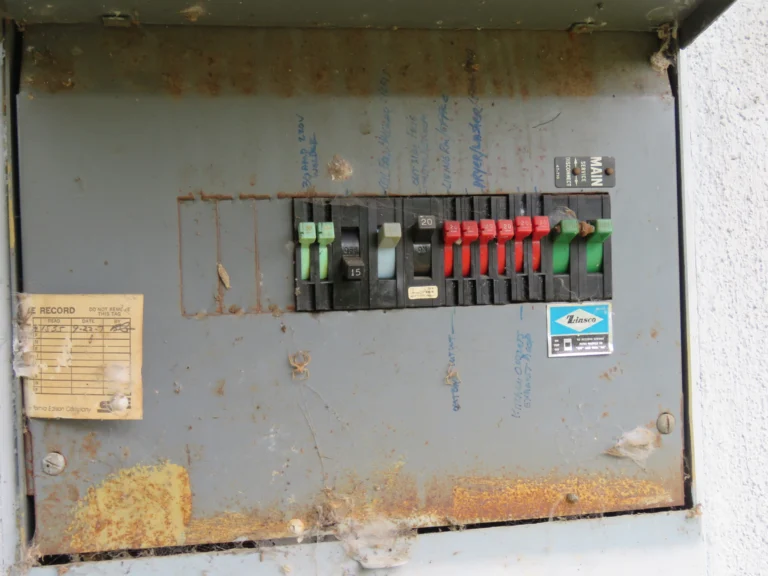
A thermal camera doesn’t see through walls — that’s a common myth worth clearing up right away. What it does is detect surface temperature differences, and that’s incredibly useful. Wet insulation from a slow roof leak will show up cooler than the surrounding wall. An overloaded circuit in a panel radiates heat before it ever trips a breaker. A gap in attic insulation shows exactly where your energy dollars are escaping. As a licensed electrician, I find the electrical hotspot capability alone worth its weight. Not every inspector carries one. Ask upfront.
Question 2 — Roof Access
“How will you be inspecting the roof today?”
California roofs range from walkable composition shingles to steep Spanish tile that cracks if you step on it wrong. An inspector who evaluates your roof from the driveway with binoculars isn’t giving you a roof inspection — they’re giving you a guess. Ask specifically how they’ll get eyes on it. Walking the roof is the gold standard when pitch and conditions allow. A drone covers high or fragile surfaces without causing damage. A pole-mounted camera gets close-up views of gutters, flashing, and chimney seals. At a minimum, you should know which method is being used and why.
Question 3 — Experience
“How long have you been inspecting homes in this area?”
Local experience matters more than most buyers realize. A home in Moorpark built in 1978 has different common failure points than one built in Newbury Park in 2005. An inspector who has been through hundreds of homes in your specific market knows what to look for in that era of construction — the typical problem areas, the shortcuts builders used, the deferred maintenance patterns. This question also opens the door to a real conversation rather than a transactional handoff.
During the Inspection: Keep These Questions in Your Back Pocket
Once we’re walking the property together, this is where the real education happens. Don’t save your questions for the end — ask them in the moment, while we’re standing in front of whatever I’m pointing my flashlight at.
On-Site Question 1
“Is this a DIY repair or a professional one?”
This is one of my favorite questions to get asked, because I almost always have a definitive answer. After years as a licensed electrician and hundreds of inspections, I can usually tell within a few seconds whether a repair was done correctly or whether someone watched a YouTube video and gave it a shot. “Handyman specials” — particularly in electrical, plumbing, and framing — frequently create bigger headaches than the original problem. Knowing the difference helps you decide whether a repair needs to be redone or just noted.
On-Site Question 2
“What’s the remaining serviceable life of this system?”
A 16-year-old HVAC unit that fires up and blows cold air technically “functions” — but you may be standing on the five-yard line of a $6,000 replacement. The same goes for water heaters, roofing materials, and electrical panels. Knowing that something works today is different from knowing how many years of reliable service it likely has left. This question helps you build a realistic picture of what ownership costs look like in years two through five, not just on closing day.
On-Site Question 3
“Where are the main shut-offs?”
This one is purely practical, and it belongs in every inspection walkthrough. If a supply line lets go under the kitchen sink at 11 p.m., you need to know where the main water shut-off is before water is running across your floor. Same goes for the gas shut-off and the main electrical disconnect. I always point these out — but if your inspector doesn’t bring it up, ask. Knowing your shut-offs is day-one homeowner knowledge.
The Big Picture: How to Triage What You’ve Learned
Every inspection turns up findings. Some are urgent. Some are normal wear. Some are just part of owning a home. The mistake most buyers make is treating all of them with the same level of alarm. Here’s a simple framework I use to help buyers sort the signal from the noise:
| The Question to Ask | What It Means |
|---|---|
| Is this a safety hazard? | Non-negotiables. Frayed wiring, gas leaks, missing GFCI protection, active structural movement — these get addressed before anything else. These are your deal points. |
| Is this a structural issue? | Foundation cracks, sagging beams, or significant settlement are the “big rocks” of negotiation. They may need a specialist to scope fully, but they belong front and center in your conversations with the seller. |
| Is this a deferred maintenance item? | Peeling paint, a dripping faucet, a worn weather strip on the garage door — these are the cost of homeownership, not red flags. Every home has them. Keep them in perspective. |
| Do I need a specialist? | Sometimes I’ll flag something that warrants a deeper look from a licensed plumber, structural engineer, or roofer. That recommendation isn’t a failure — it’s due diligence. Take it seriously. |
After the Walk-Through: The Question That Cuts Through Everything
When we’re wrapping up and you’re about to head home with a thick report waiting in your inbox, ask me this one question before you leave:
The Most Important Question
“What are your top three concerns about this home?”
This is the question that cuts through 50 pages of findings and gets you straight to what actually matters. Just like in flying, a good checklist covers everything — but the experienced pilot knows which items you absolutely cannot skip. I’ve done hundreds of inspections. I know the difference between a finding that belongs in a report for completeness and a finding that should affect your decision. This question gets you that answer directly, in plain language, before you walk out the door.
A follow-up worth asking: “Which of these items might have hidden costs?” Some repairs look simple and cheap until you discover they require permits, licensed contractors, or remediation protocols — older electrical systems, suspected mold, asbestos-containing materials. Knowing this upfront helps you negotiate from an informed position rather than getting surprised after closing.