My Inspector Said the House Has Aluminum Wiring — Now What?
If your inspection report flagged aluminum wiring, take a breath before you do anything else. Aluminum wiring is a manageable condition — not a deal-killer. As both a licensed electrician and a Certified Professional Inspector, I can tell you there are three realistic paths forward, and one of them is almost certainly right for your situation.
What Aluminum Wiring Is — and Why It Ended Up in So Many Homes
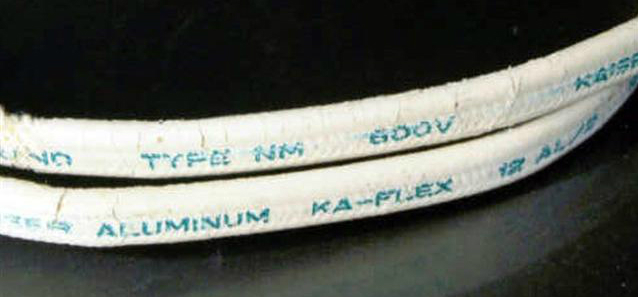
Between roughly 1965 and 1973, aluminum became a popular substitute for copper in residential branch circuit wiring. Copper prices had spiked sharply, and builders across the country — including right here in Ventura County — switched to aluminum to keep construction costs down. Hundreds of thousands of homes were wired this way, and a lot of them are still standing and selling today.
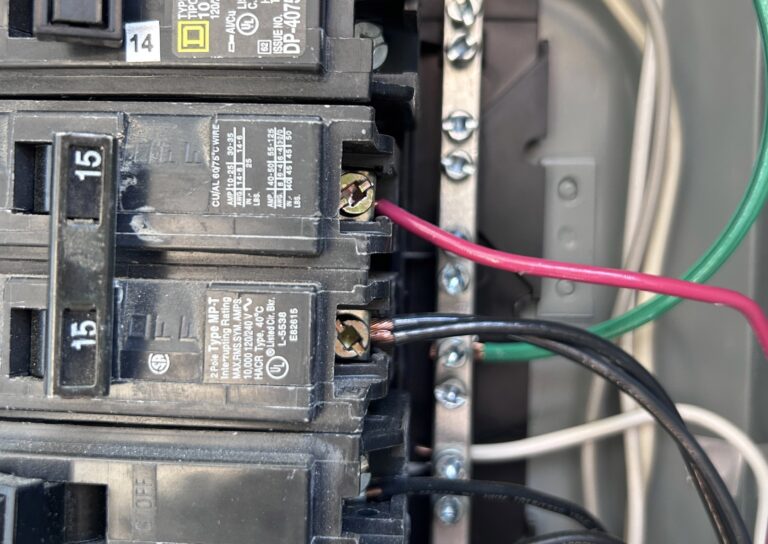
Here’s what that actually means for you as a buyer: aluminum wiring itself isn’t the hazard. The hazard is what happens at the connection points — outlets, switches, light fixtures, and breaker terminals — where the wire terminates. Aluminum expands and contracts more than copper does with temperature changes. Over time, that movement can cause connections to loosen. Loose connections generate heat. Heat is where problems start.
This is a documented issue. The U.S. Consumer Product Safety Commission identified it decades ago. But here’s the equally important part of that story: the fix is well understood, and licensed electricians have been performing it successfully for years.
Why It Matters — and Why “I’ll Just Ignore It” Isn’t the Answer
I spent years working as a licensed electrician before I became a home inspector, and I think about electrical systems the same way I think about aircraft systems: every component depends on the one before it. A loose connection in one outlet doesn’t stay a loose connection — it becomes an intermittent arc, then a persistent arc, then potentially a fire inside a wall cavity where nobody sees it coming.
Just like in flying, little problems in a home can turn into big ones. That’s not meant to alarm you — it’s meant to frame why this finding deserves a real conversation rather than a shrug.
There’s also a practical insurance consideration. Some homeowner’s insurance carriers will ask about wiring type during underwriting, or conduct their own inspection before binding a policy. Aluminum wiring that hasn’t been properly addressed can complicate coverage. This is worth a call to your insurance agent before you close.
The Three Realistic Options for Aluminum Wiring
When I inspect homes in Thousand Oaks, Moorpark, Simi Valley, and the surrounding area and find aluminum wiring, I walk buyers through three approaches. Which one makes sense depends on the age of the home, the extent of the wiring, and the numbers in your transaction.
Option 1: CO/ALR Devices and COPALUM Crimping
The most thorough and widely recommended solution is a process called COPALUM crimping — a method approved by the CPSC in which a licensed electrician adds a short copper pigtail at every connection point using a specialized crimping tool. The result is a permanent copper-to-aluminum junction that behaves like an all-copper connection. At the same time, all outlets and switches get replaced with devices rated for aluminum (marked CO/ALR). This isn’t a cheap fix, but it’s the most complete one — and it’s the remediation most insurers and buyers’ agents recognize as the gold standard.
Option 2: AlumiConn Connectors
If COPALUM equipment isn’t available in your area or the budget doesn’t support a full crimp remediation, AlumiConn connectors are an approved alternative. These are listed connectors that join copper and aluminum at each device location using a set-screw lug. When installed correctly by a licensed electrician, they meet the CPSC’s guidelines for aluminum wiring remediation. They’re more accessible than COPALUM and still a legitimate, code-compliant solution.
Option 3: Full Rewire
In some cases — particularly older homes with extensive aluminum wiring throughout or where the seller’s budget allows — a complete rewire with copper is on the table. It’s the most expensive option and the most disruptive, but it permanently eliminates the aluminum wiring condition. For homes where other electrical issues exist alongside the aluminum wiring, or where the buyer simply wants a clean slate, this conversation is worth having with an electrician.
How to Use This as a Negotiating Tool — Not a Reason to Walk
Here’s the practical advice I give buyers who call me after getting an inspection report: get a written estimate from a licensed electrician before you do anything else. Once you have an actual dollar figure, you can have a real conversation with the seller — a credit, a price reduction, or a seller-paid remediation before closing.
Whether you’re buying in Thousand Oaks or anywhere else in Ventura County, aluminum wiring is common enough in homes built in that late-1960s to early-1970s window that sellers and their agents are generally familiar with it. This isn’t an unusual ask. A well-documented estimate puts you in a much stronger position than just flagging the report and hoping the seller agrees something is wrong.
The not-so-good news: you need a licensed electrician doing this work — not a handyman, not the seller’s brother-in-law. Aluminum wiring remediation is specific and requires both the right materials and the right technique. The good news: a competent electrician can typically complete a standard residential remediation in a day or two.